What to Expect in Your First Class
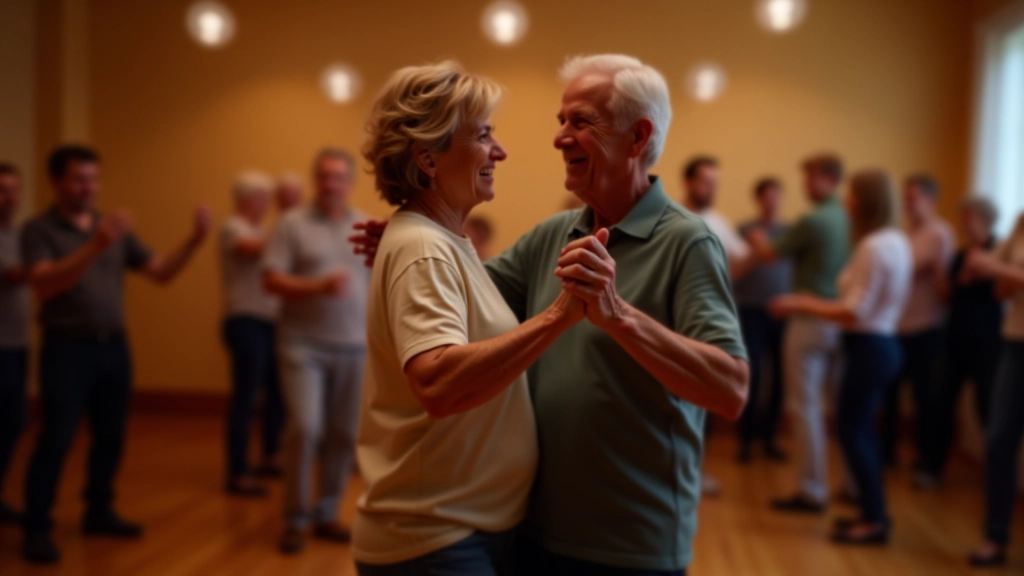
Walking into a Latin dance workshop for the first time can feel intimidating. You're not alone in feeling nervous. Most people who've started dancing had exactly the same concerns you might have right now. The good news? Everyone in beginner classes is there because they're just starting out.
Rīga's community centers run workshops that are specifically designed for people with zero dance experience. You won't be the oldest person there, you won't be the least coordinated, and you definitely won't be judged. The instructors know exactly what it's like to be a complete beginner because they work with new dancers every single week.
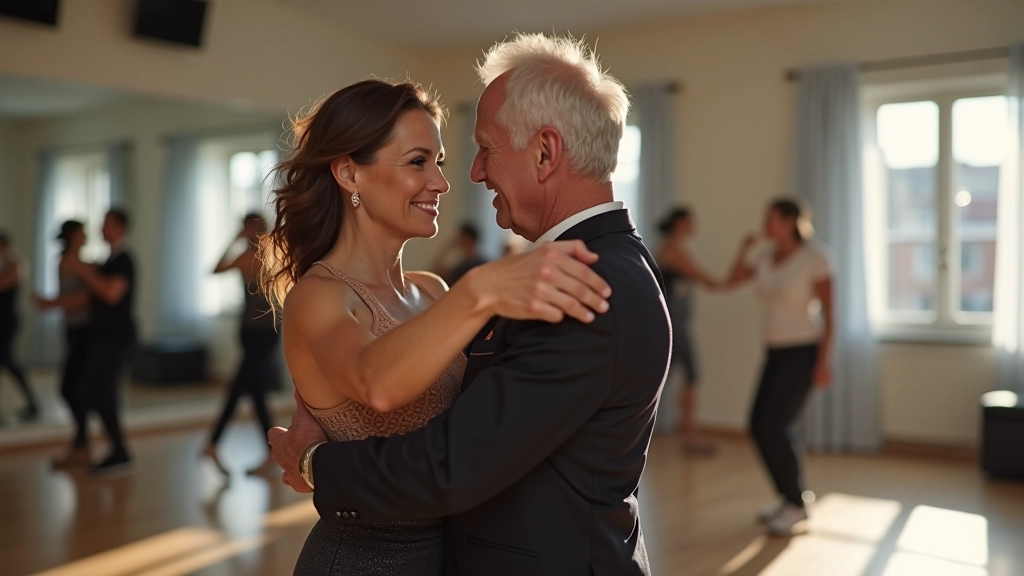
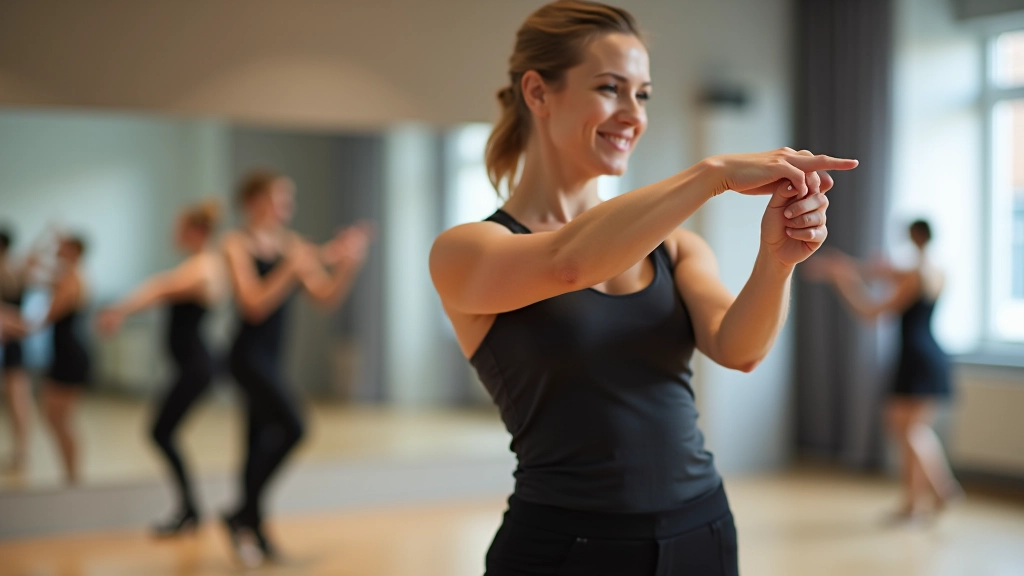
Classes typically run for 60-90 minutes, depending on the workshop. The first 15-20 minutes covers basic footwork — nothing complicated, just learning where your feet go and how to move your hips properly. After that, you'll learn a simple pattern or combination that you'll practice repeatedly. By the end of class, you'll actually feel like you're dancing, not just shuffling around.
Three Main Styles You'll Learn
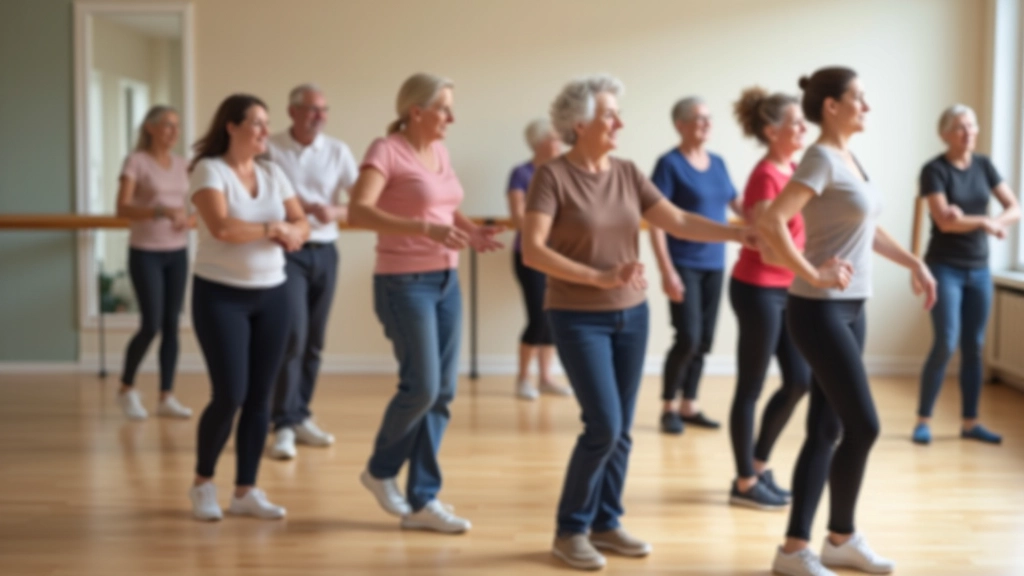
Rīga's beginner workshops focus on three core Latin dance styles. Each has its own rhythm, feel, and technique. You don't need to choose just one — most workshops teach all three, so you'll get exposure to each.
Salsa
Fast-paced and energetic. The basic step is a 6-count pattern that repeats. Your hips move naturally with the rhythm. Most people find it's the most fun because it's got real energy and you'll feel the beat immediately.
Bachata
Slower, more romantic feel. It's only 4 counts, so it's actually easier to learn than salsa. Perfect if you prefer a gentler pace. The connection with your partner is really important here.
Cha-Cha
Playful and rhythmic. The "cha-cha-cha" footwork gives it its name. It sits somewhere between salsa's speed and bachata's smoothness. Great for building footwork confidence.
Where to Find Workshops in Rīga
Rīga has workshops running throughout the week at various community centers. Most are located in central neighborhoods, making them easy to reach by tram or bus. You won't need to travel to the outskirts — there's plenty happening right in the middle of the city.
Central District Community Centers
Multiple facilities with beginner classes running Tuesday through Thursday evenings. Most have a drop-in policy — you don't need to register weeks in advance.
Neighborhood Sports Clubs
Smaller, more intimate settings with 10-15 people per class. These tend to be quieter and great if you prefer a tighter group. Weekend sessions available.
Private Dance Studios
Specialized facilities with top-notch instructors. Slightly higher attendance cost but usually include music, equipment, and a really polished experience.
The best approach? Visit 2-3 different locations and try a class at each. You'll quickly figure out which environment feels right for you. Some people prefer the energy of larger groups. Others love the personal attention of smaller classes. There's no wrong choice here.

Practical Tips for Your First Few Weeks
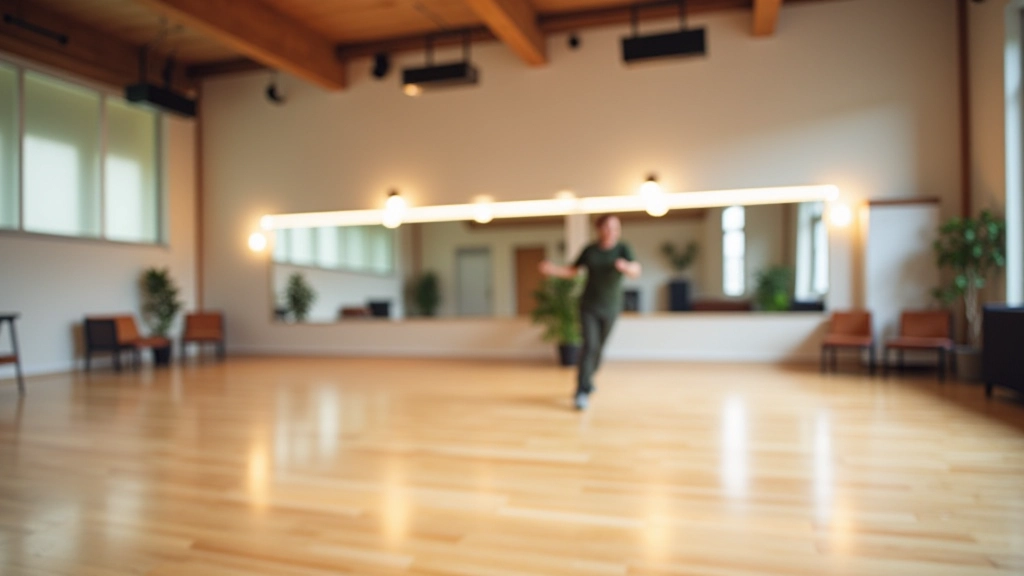
You don't need special equipment or fancy outfits. Wear comfortable clothes that let you move — jogging pants, a t-shirt, whatever feels good. Bring water. That's genuinely all you need to get started.
Arrive Early
Get there 10 minutes before class starts. You'll have time to chat with the instructor, ask questions, and get comfortable with the space. It makes a real difference in how settled you feel.
Don't Partner Up on Day One
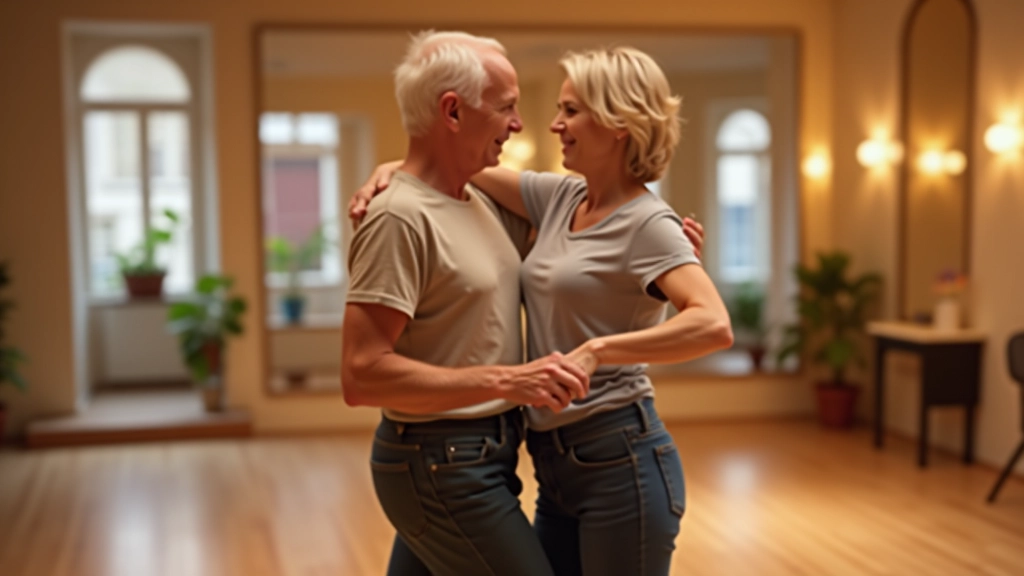
Most workshops have you switch partners throughout class. You won't be stuck with the same person the whole time. This actually helps you learn because you experience different styles of leading and following.
Go Consistently
Your body remembers movement better when you show up regularly. Twice a week for 4 weeks beats once a week for 8 weeks. You'll notice real improvement in about 6-8 weeks if you stick with it.
Watch, Listen, Then Move
The instructor will demonstrate a step, explain it, then you'll practice it. Don't panic if you don't get it immediately. Your brain and body need time to connect the movement with the music.
Ready to Start?
Latin dance workshops in Rīga are welcoming, fun, and genuinely designed for people who've never danced before. You'll meet people from all walks of life who've decided to try something new. Most importantly, you'll discover that your body is absolutely capable of learning to dance — it just needs practice and patience.
The hardest part is showing up to that first class. After that? It's just movement, music, and gradually getting better at something you enjoy. Pick a workshop, block out the time on your calendar, and give yourself permission to be a complete beginner. That's where everyone starts.
Interested in exploring more?
Browse More Dancing GuidesDisclaimer
This article provides general information about Latin dance workshops available in Rīga for educational purposes. It's not a recommendation of any specific facility or instructor. Before starting any new physical activity, especially if you have existing health conditions, it's wise to consult with your healthcare provider. Workshop availability, schedules, and class formats may change — we recommend contacting venues directly to confirm current offerings. Individual experiences with dance instruction vary based on personal fitness level, prior experience, and learning preferences.