Why Bachata and Salsa Are Exceptional Workouts
Most people think of dancing as entertainment. It's that. But it's also one of the most effective fitness activities for adults over 50. We're not talking about something gentle or slow — real Latin dancing gets your heart pumping, builds strength, and improves coordination all at once.
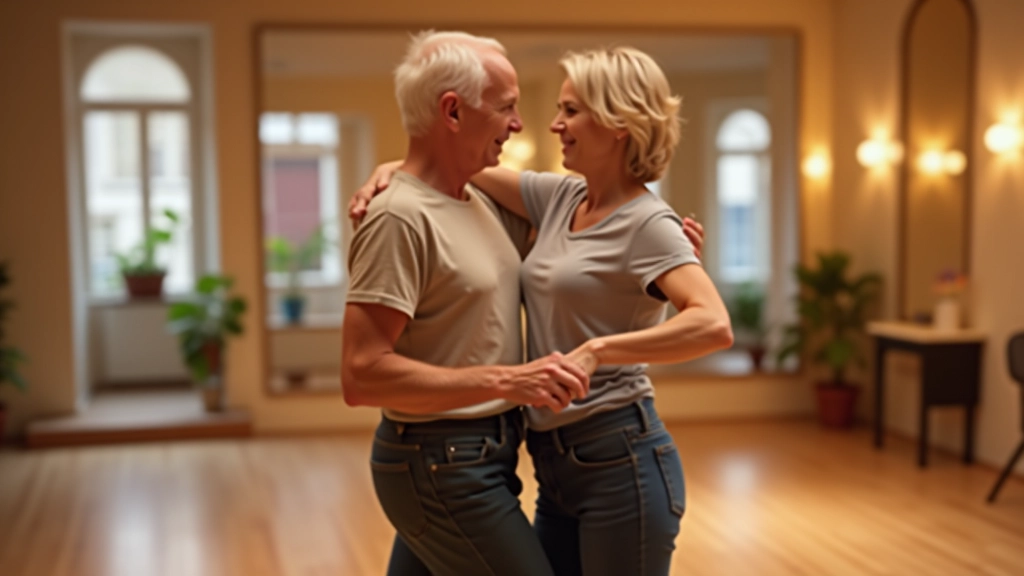
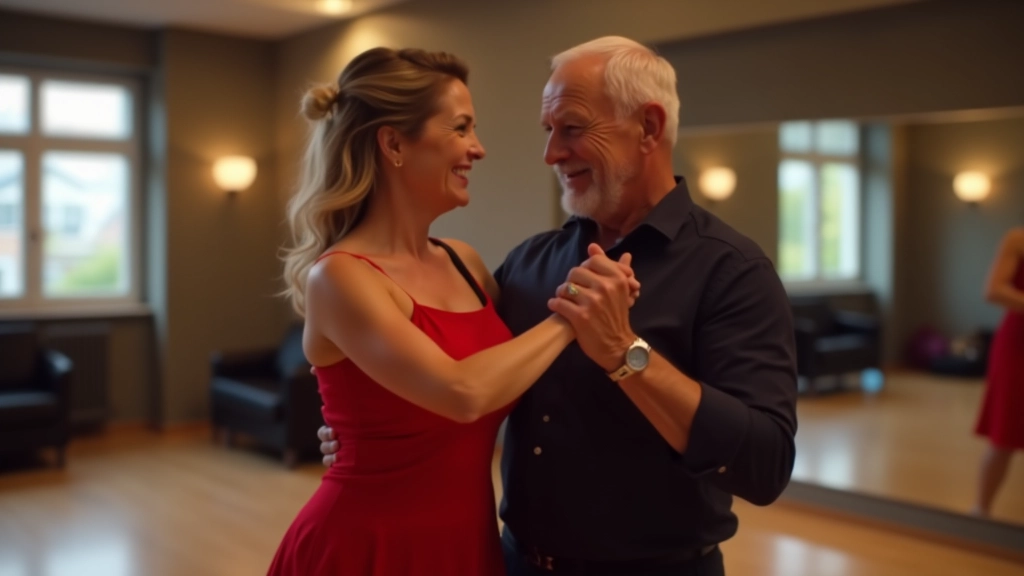
Here's what happens when you dance. Your body's working continuously for 45 to 60 minutes without stopping. You're moving in multiple directions, shifting your weight, maintaining balance, and responding to your partner. That's cardio, strength training, and balance work combined. Most people need to hit the gym, take a fitness class, and do balance exercises separately. Dancers get it all in one activity.
The Cardiovascular Benefit
Bachata and salsa elevate your heart rate into the aerobic zone — typically 60-80% of your maximum heart rate — which is exactly where you need to be for cardiovascular health. A single 60-minute session burns 300-500 calories depending on intensity and body weight. More importantly, your heart adapts to sustained effort. Over weeks and months, your resting heart rate drops, which means your heart works more efficiently.
Building Strength and Flexibility
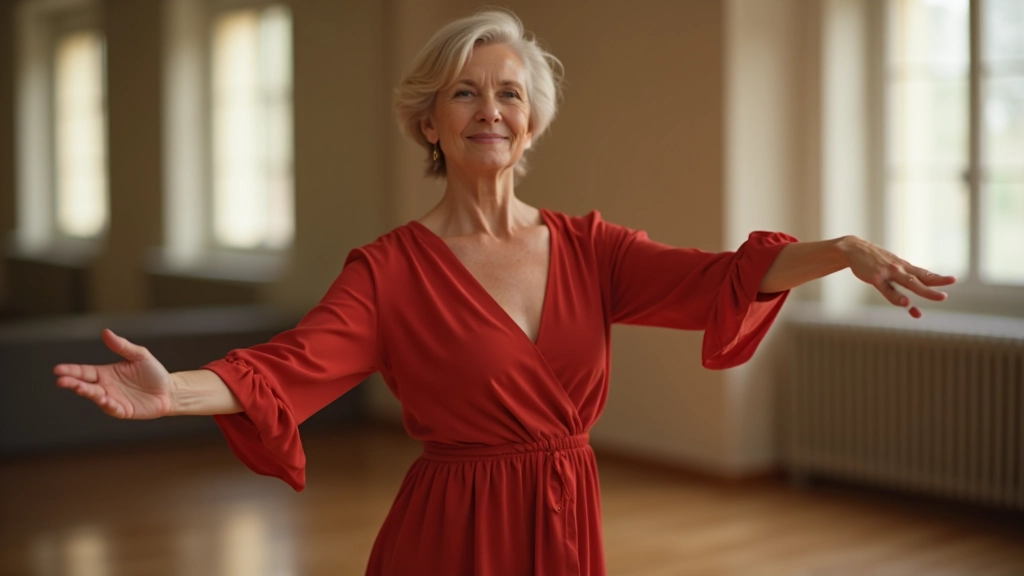
Dancing builds strength in ways most people don't expect. Your legs, core, and back are constantly engaged. The repeated hip movements in salsa strengthen your glutes and hip flexors. The spins in bachata develop stabilizer muscles around your knees and ankles. You're not lifting weights, but you're definitely working your muscles.
Flexibility improves because you're moving through your full range of motion continuously. Your shoulders rotate, your spine twists, your hips move laterally. Over time, this daily stretching makes a real difference. Many people notice they can touch their toes easier, or their back feels less stiff. That's not coincidence — it's the result of consistent movement patterns.
Real progress markers: After 8-12 weeks of regular dancing (2-3 times per week), people typically report improved posture, less knee or hip pain, and better overall flexibility. Some even reduce reliance on pain medication.
Balance, Coordination, and Fall Prevention
Balance is something that deteriorates with age if you don't work on it. Falls are one of the leading causes of injury for older adults. Dancing directly addresses this. You're constantly shifting your weight, moving on one leg, and adjusting to your partner's movements. Your body develops proprioception — awareness of where you are in space.
Salsa requires specific footwork patterns. Your brain's learning these patterns, your feet are executing them, and your balance system is constantly making micro-adjustments. That's why dancers often report feeling more stable in daily life. They're more confident walking, less likely to trip, and generally more aware of their body.
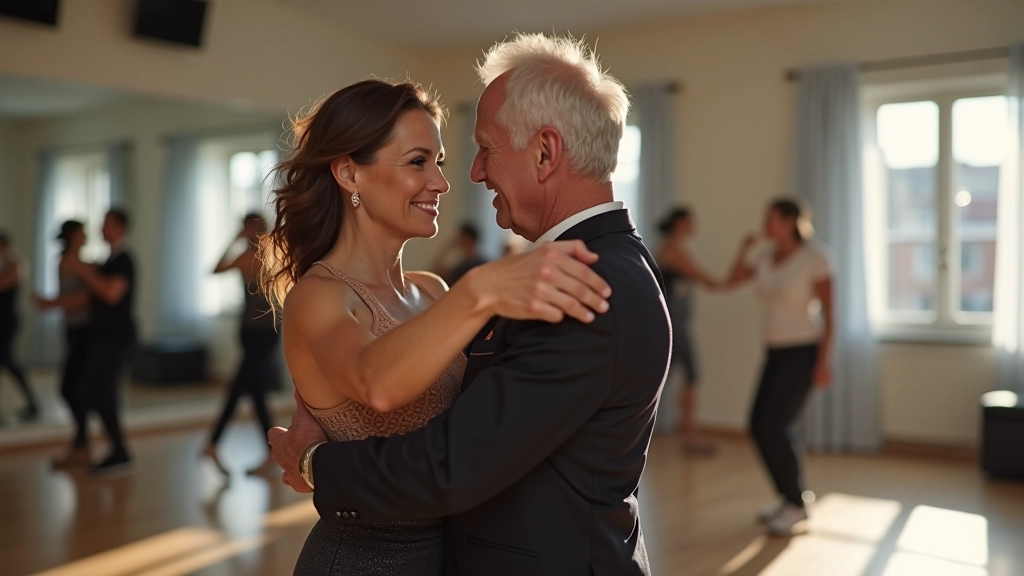
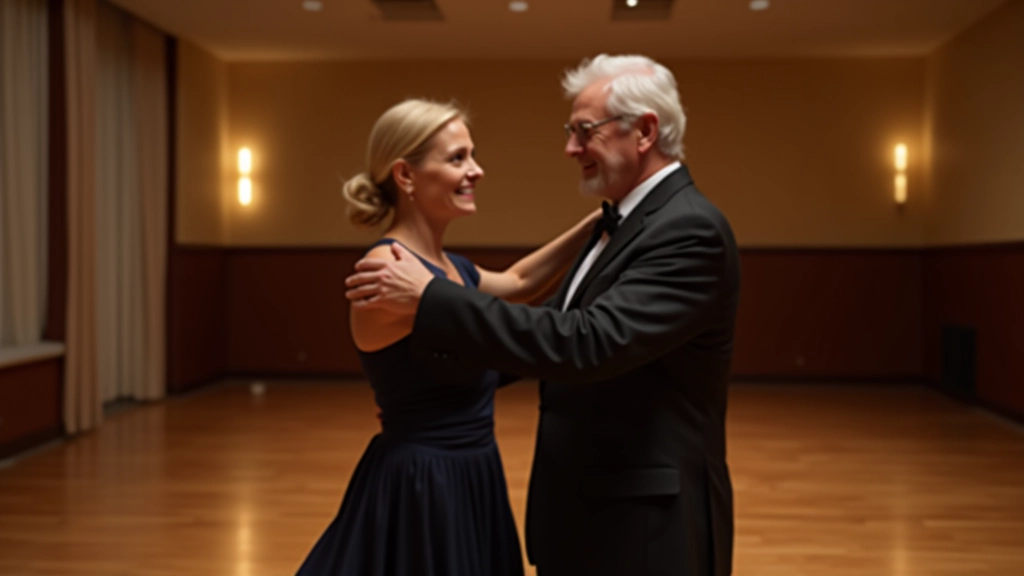
The partner aspect adds another layer. You're not just dancing your own steps — you're responding to someone else's weight and movement. This demands focus and adaptation. It's essentially a physical conversation. Your nervous system is highly engaged, which is great for brain health too.
Mental Health and Social Connection
The fitness benefits are measurable. Your heart gets stronger, your muscles develop, your flexibility increases. But there's something equally important that doesn't show up on a test: the mental and social impact.
Dancing requires concentration. You're focusing on music, rhythm, footwork, and your partner — not on your grocery list or your concerns. That mental engagement is a form of meditation. People consistently report feeling less stressed after dancing. The endorphins help, sure, but it's also the mental break from everyday worry.
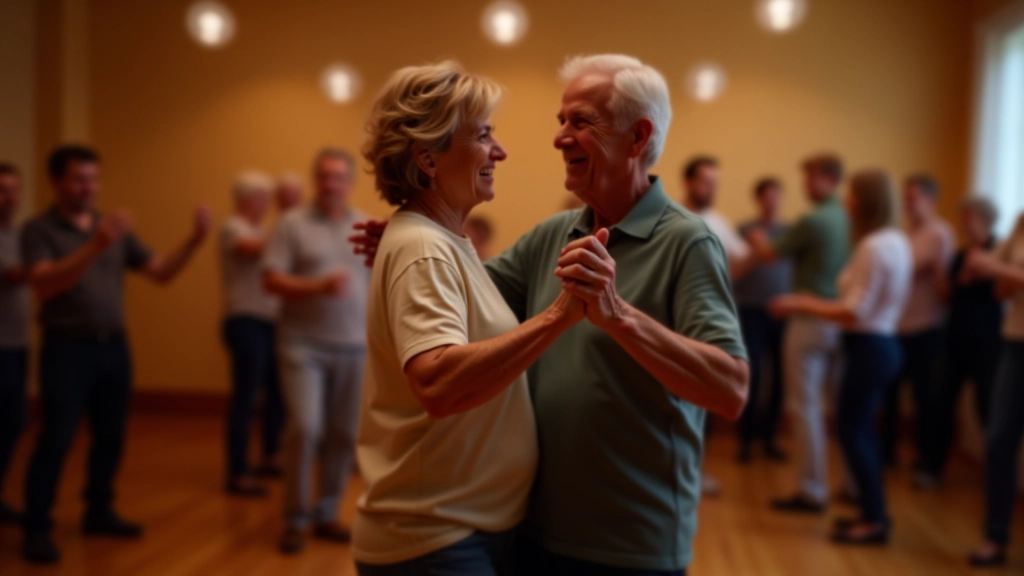
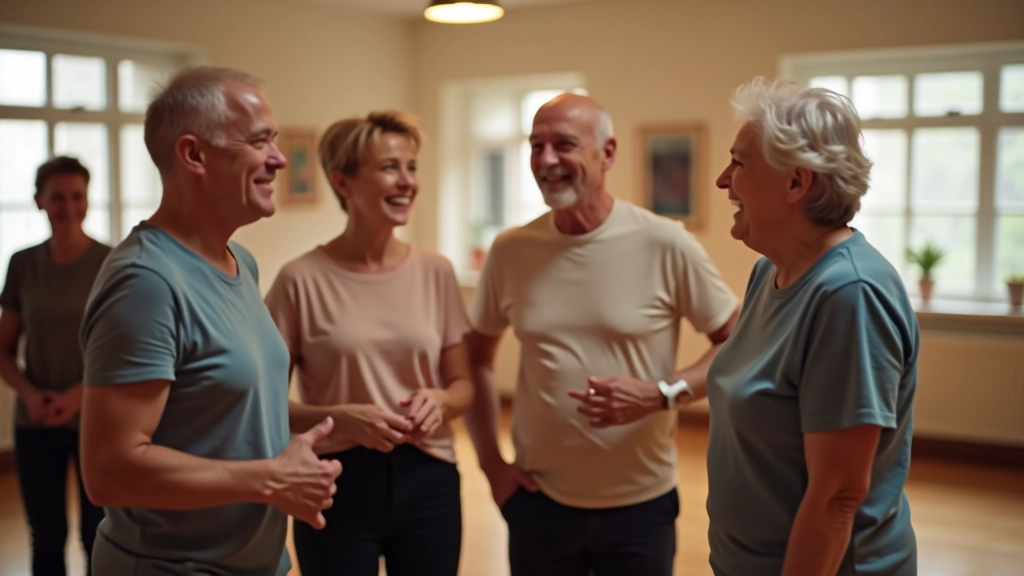
Then there's the social aspect. You're meeting people. You're laughing. You're having conversations that aren't about health problems or medications. You're part of a community with a shared interest. Loneliness is a real health issue for many older adults, and dancing directly combats that. People who dance regularly report feeling more connected and more engaged with life.
Getting Started: What You Need to Know
You don't need to be fit to start dancing. You don't need experience. You don't need to be young. Most beginner classes are specifically designed for people who've never danced before, and instructors understand that fitness levels vary.
What you do need is consistency. Two sessions per week is a good starting point. One session a week helps, but two sessions allows your body to adapt and progress. Three sessions a week is ideal if you can manage it. After 4-6 weeks of consistent dancing, you'll start noticing real changes — you'll be less winded, your posture will improve, and you'll feel stronger.
Wear comfortable clothes that let you move. You don't need special dance clothes to start. Regular athletic wear works fine. Eventually, many people invest in dance shoes because they reduce friction on the floor and protect your joints better than sneakers. But that's optional in the beginning.
The partner aspect might feel intimidating, but don't let it stop you. Partners rotate in group classes, so you'll dance with different people. Everyone's learning. Everyone's making mistakes. That's completely normal.
The Bottom Line
Bachata and salsa dancing are legitimate fitness activities. They improve your cardiovascular health, build strength and flexibility, enhance balance, and reduce fall risk. The mental and social benefits are equally important. You're not just getting exercise — you're building community, maintaining cognitive engagement, and genuinely enjoying yourself.
If you're looking for a fitness activity that doesn't feel like exercise, that's social, that's fun, and that delivers real health benefits — dancing is worth trying. Find a beginner-friendly class in your area, commit to showing up regularly, and give it 8-12 weeks. You'll feel the difference.
Important Disclaimer
This article provides educational information about the potential health benefits of Latin dancing. It's not a substitute for professional medical advice. Before starting any new exercise program, especially if you have existing health conditions, joint problems, or take medications, consult with your healthcare provider or a qualified physician. Dance instructors can provide modifications for different fitness levels and limitations, but medical professionals should evaluate your individual circumstances first.